Engineering reference · 13 constraints
What actually stops an existing hall taking AI racks.
Thirteen constraints — electrical, thermal and physical — evaluated against every hall we screen. Each page below states what physically runs out, the relation that governs it, a worked example you can reproduce by hand, what relieves it, and how many weeks that relief takes. No make, no model, no supplier: we take no margin on hardware.
Every figure on these pages is modelled or a published design value. None is a measurement of any customer's asset. The worked examples use the reference platform's published rack power and are reproducible by hand.
Electrical · 5
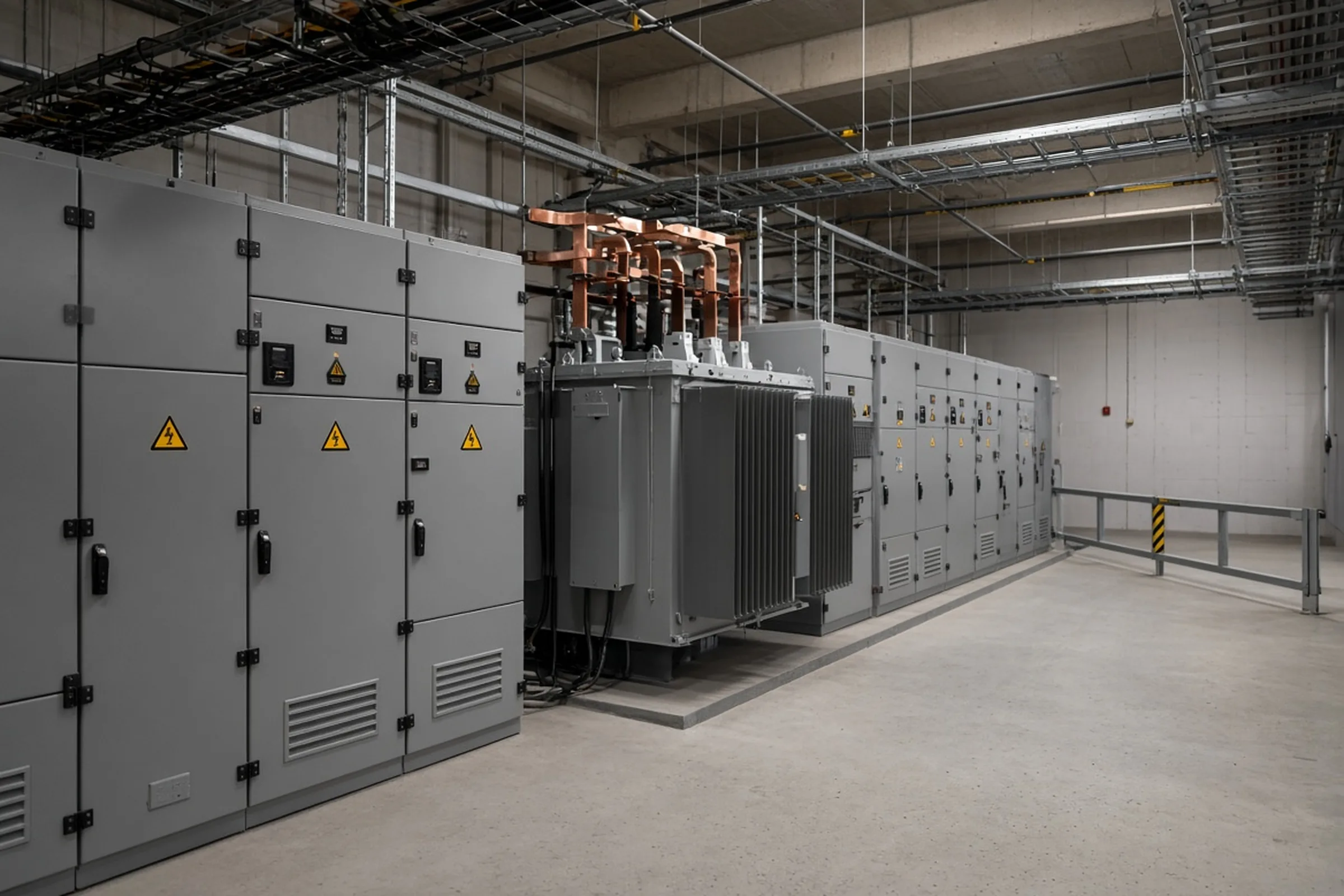
Rack feed / tap-off rating
The commonest hard stop in a legacy hall is the last two metres of copper.
Busway ampacity
A 400 A busway run cannot feed three 130 kW racks, whatever the hall total says.
Transformer capacity
The transformer is rarely the tightest constraint and is usually the one that sets the date.
UPS capacity (protected load)
AI training loads step harder than anything a 2014 UPS was specified for.
Firm supply (grid import and behind-the-meter)
In core European metros the grid connection is the asset, and it is not growing before the 2030s.
Physical · 2
Thermal · 6
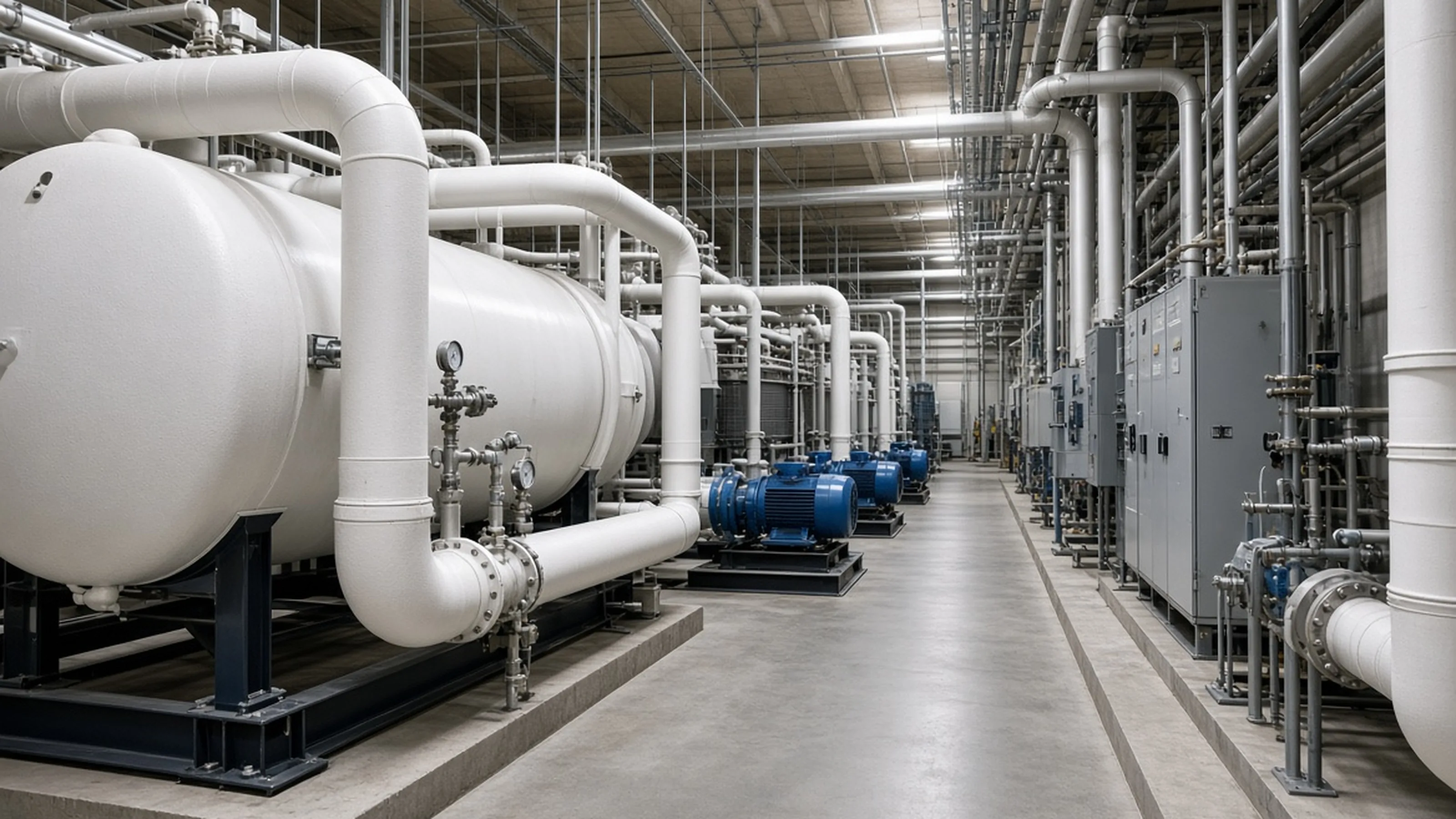
Chilled-water plant capacity
Direct liquid cooling does not remove the air load — it shrinks it, and the remainder still needs the plant you already have.
CDU capacity at site conditions
A CDU rated at a 5 K approach, installed on a site running 24 K, is not the CDU you bought.
Hydraulic flow capacity
A flow figure without a head figure is not a duty point.
Achievable facility water temperature
Legacy plant makes 6 °C water beautifully. Liquid cooling would rather have 30 °C.
Residual air load removal per rack
Twenty kilowatts of air load in a rack position designed for eight is still an air problem.
Cooling architecture per-rack capability
Air-cooled halls stop somewhere between 20 and 40 kW a rack, and no amount of plant changes that.
Which of these binds in your hall?
Seven numbers you already know. The engine evaluates all thirteen and names the one that stops you first, how many racks fit as found, and which item sets the date. Free, and no key needed.