Firm supply (grid import and behind-the-meter)
In core European metros the grid connection is the asset, and it is not growing before the 2030s.
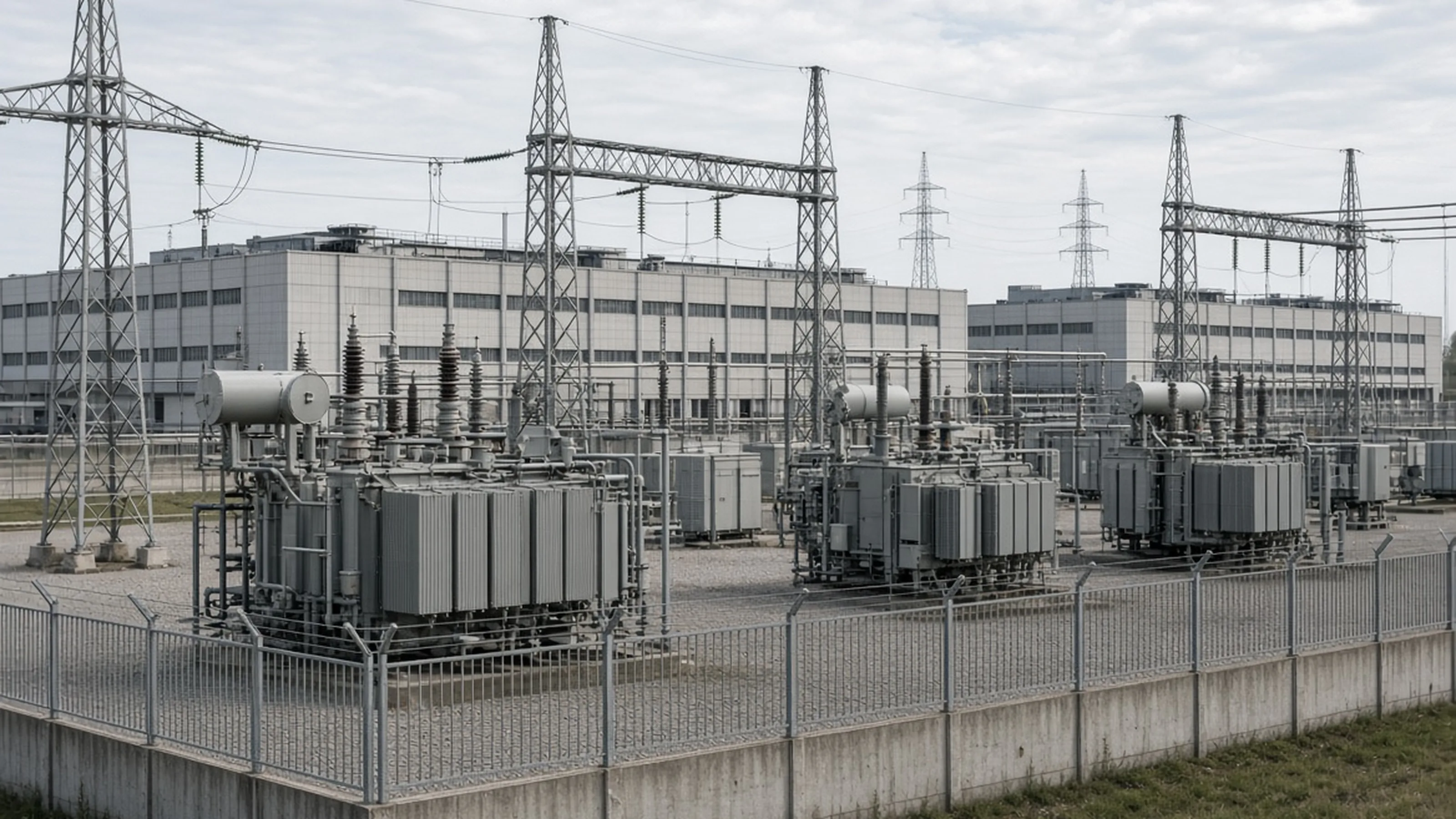
What runs out
Firm capacity available for new load: contracted grid import, less current site peak, plus any behind-the-meter supply that genuinely counts as firm.
The relation that governs it
Headroom = (contracted MW − current site peak MW) + Σ(BTM capacity × firm capacity factor). A battery contributes its firm fraction, not its nameplate.
How to tell whether it binds in your hall
Subtract your current site peak from your contracted capacity. If the remainder is smaller than your intended new IT load at your expected PUE, this binds — and unlike every other constraint on this list, you cannot buy your way out of it inside the decision horizon in most European metros.
What relieves it
Behind-the-meter supply, where it is firm and consentable. Otherwise, getting more compute out of the capacity already contracted — which is the whole premise of a density retrofit.
What that relief costs beyond money
Consent, not equipment, is the schedule risk for combustion plant. Grid-code compliance and fire separation govern battery programmes. A capacity factor applied to a nameplate is an assumption, and should be labelled as one.
Indicative relief lead time
30–260 weeks
European retrofits. The schedule, not the capex, usually decides.
The mistake we actually see
Nameplate BTM capacity counted as firm. A 2 MW battery is not 2 MW of firm capacity, and the fraction that is depends on the duty.
Basis
- — Mainova on Frankfurt connection availability; TenneT queue positions; CRU Large Energy User policy, Ireland.
These usually travel together
Does this one bind in your hall?
Seven numbers you already know, all thirteen constraints evaluated, and the one that stops you first named with its basis in engineering units. Free.